Glass Production

Glass Material Production Process and Quality Control Points

Overall Process Flow:
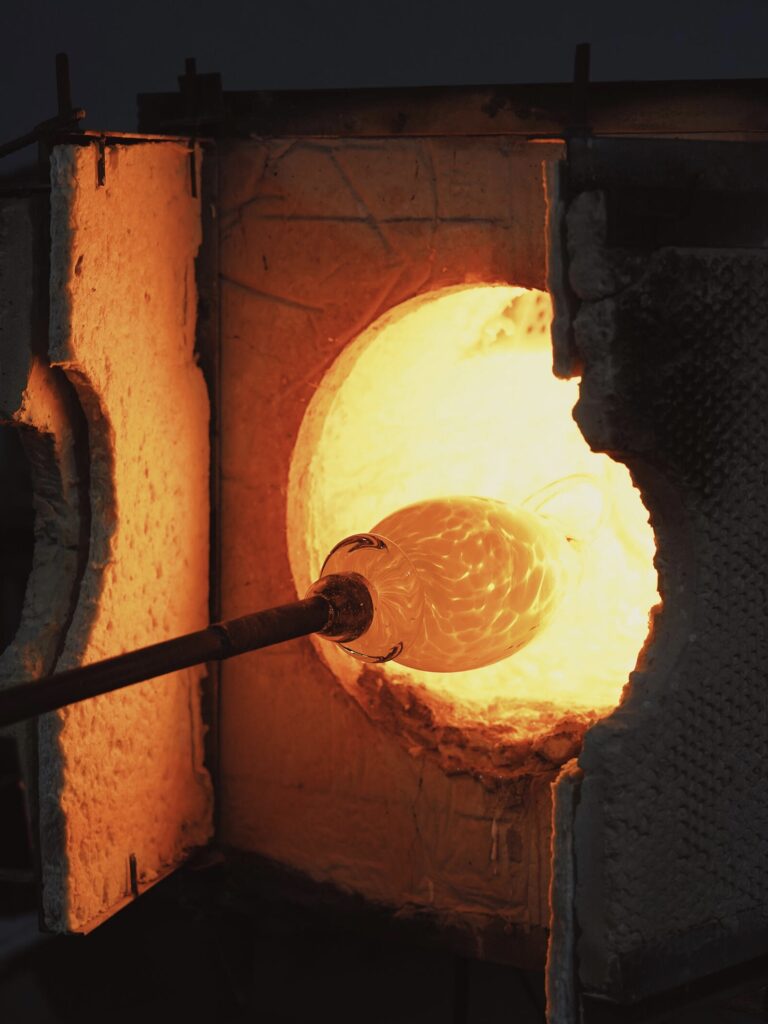
Step 1 – Batching & Melting

Process Description:

  • Different formulations (silica sand, soda ash, lime, etc.) affect the transparency, hardness, and gloss of the glass
  • High-end lighting fixtures typically require a light transmittance ≥ 91%

Quality Control Points:

  1. Glass raw materials must be free of impurities and iron powder (avoid a greenish tint)
  2. Furnace temperature must be maintained at 1400–1500°C, with temperature fluctuations not exceeding ±5°C
  3. The fluidity of the molten glass must be stable to ensure consistent forming

Step 2 – Forming Process (Handmade/Blown/Machine Pressed)

A.Handmade Glass

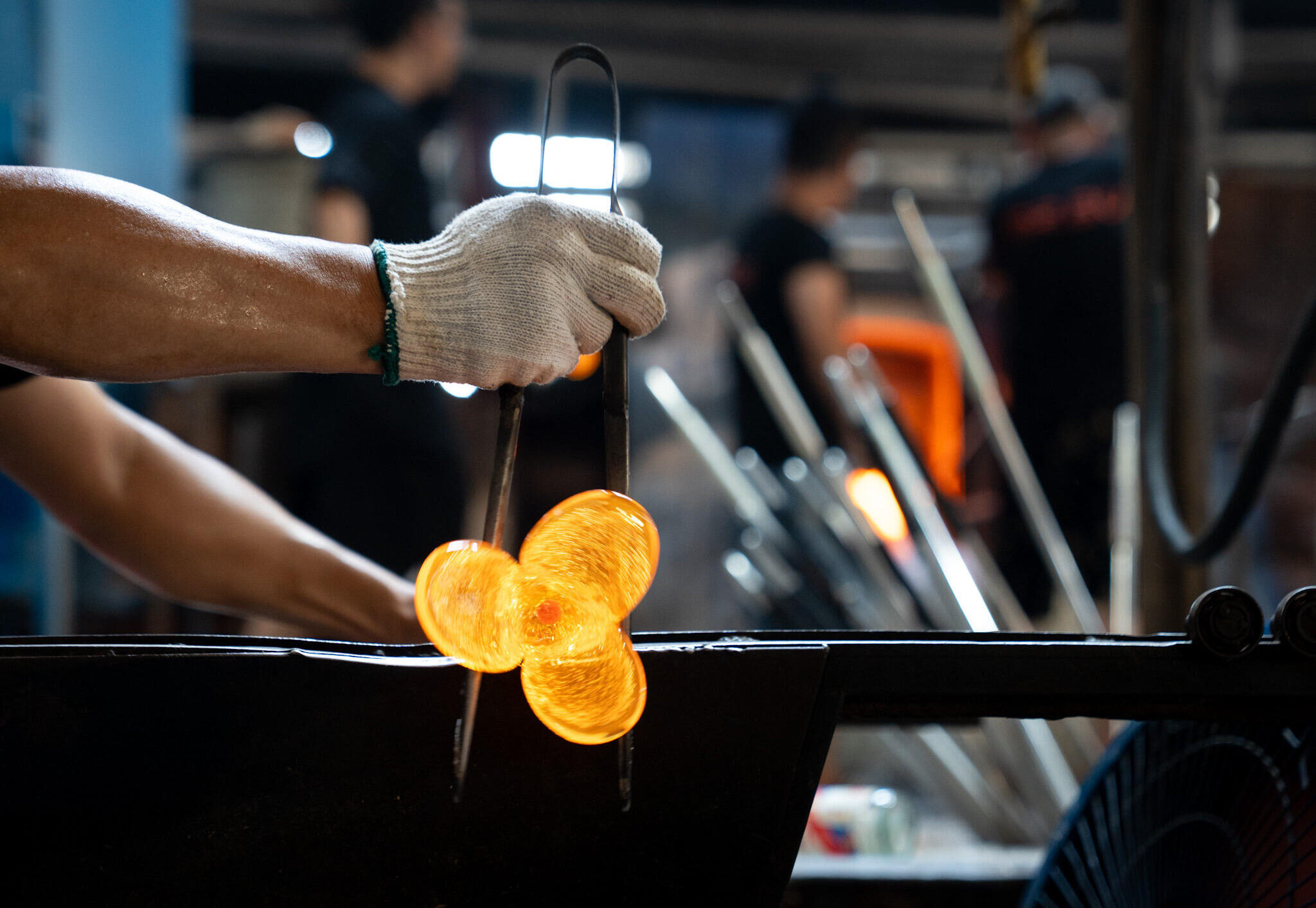
Steps: After manually extracting molten glass, it is rotated on an iron rod to form a basic sphere. The thickness is then gradually adjusted by manually shaping it (using wooden clamps, molds, and steel pliers) and blowing air to create the glass pendant accessory.

Quality Control Points:

  •  Uniform thickness, no obvious weak points
  •  No impurities or black spots on the surface
  • The shape consistency of each finished product must be controlled within ±5mm

 B.Blown Glass

Process Steps: Blowing and shaping → Initial shape → Entering the wooden mold → Precise expansion with further blowing, controlling the wall thickness through rotation to ensure uniform light transmission.

Quality Control Points:
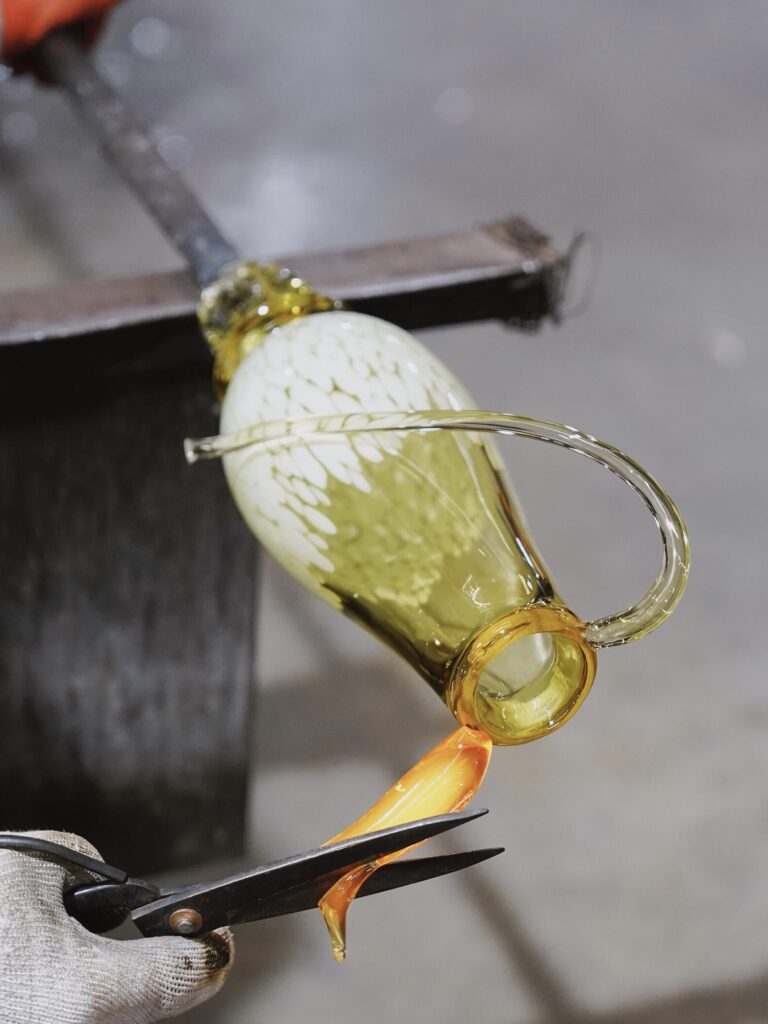
  •  No bubbles or ripples on the surface
  • Uniform diameter
  • Full shape, no eccentricity

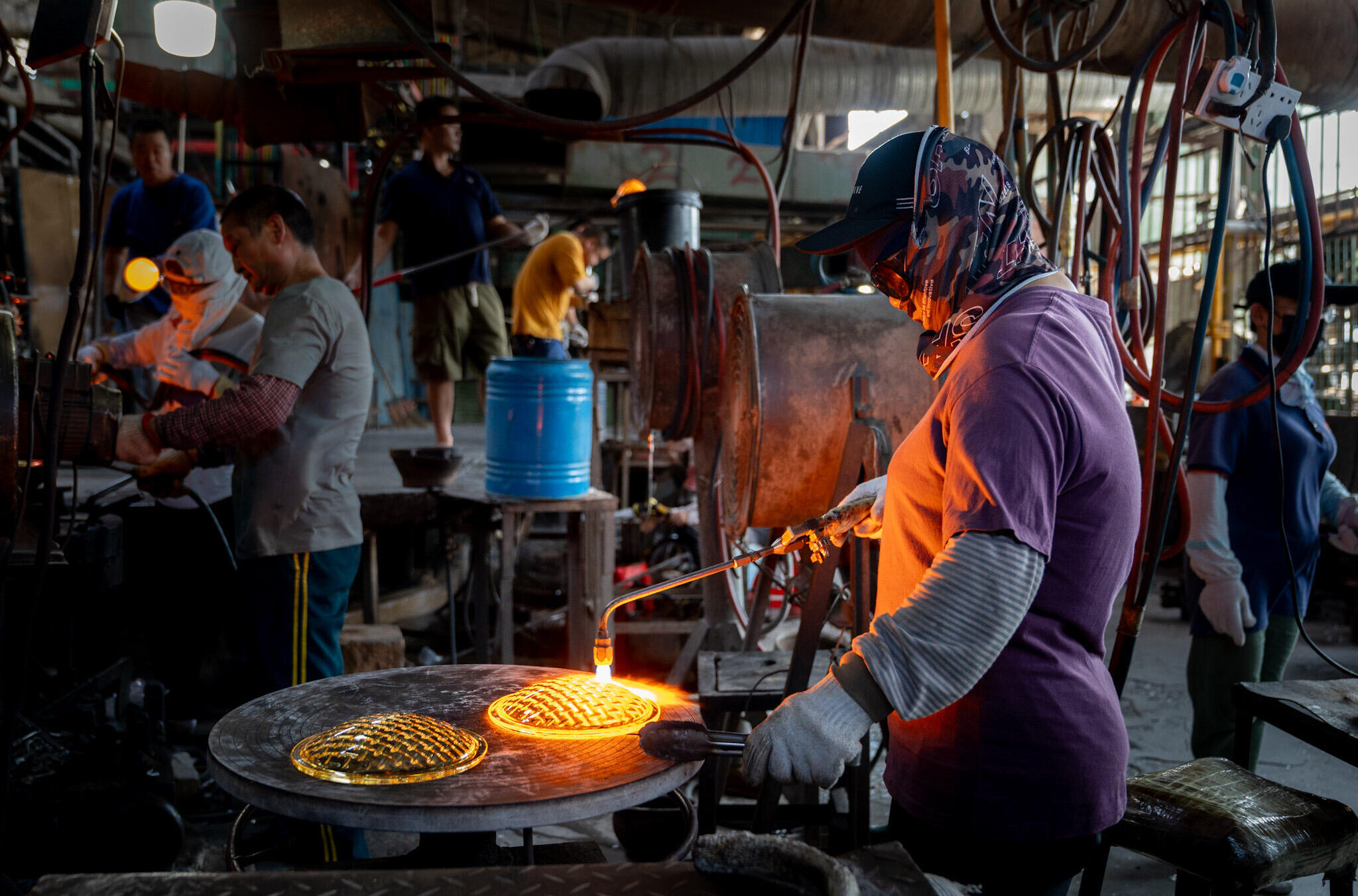
C.Machine-pressed Glass:

Process Steps: Blowing and shaping → Initial shape → Entering the wooden mold → Precise expansion with further blowing, controlling the wall thickness through rotation to ensure uniform light transmission.

Quality Control Points:
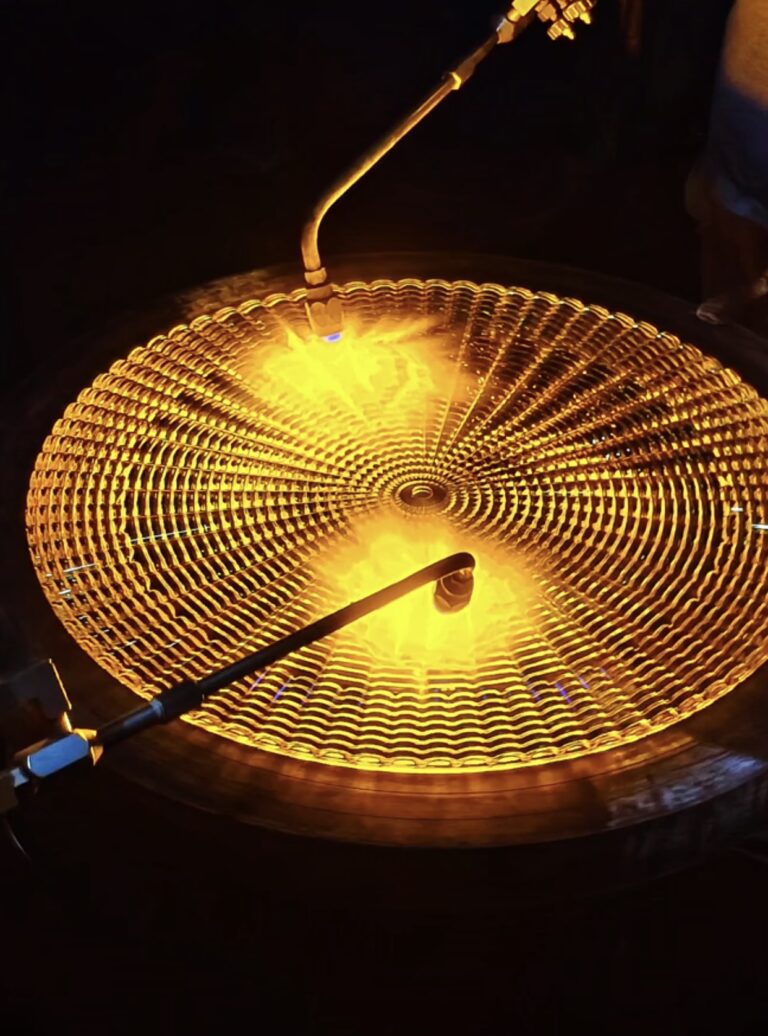
  • Mold lines must be cleanly polished, without any sharp lines.
  •  Thickness must be uniform.
  • Patterns must be clear and unblurred.

Step 3 – Cooling Annealing

This step is crucial for glass stability. Insufficient annealing can cause the glass to spontaneously shatter during transport and installation.

Quality Control Points:

  1. Stable annealing furnace temperature.
  2. Slow and uniform cooling curve.
  3. Glass stress test must be passed.

Step 4 – Trimming/Drilling/Grinding

This step is particularly important for subsequent installation. The glass needs precise drilling and grinding to match the metal structure; excessive errors will affect installation.

Quality Control Points (Extended):
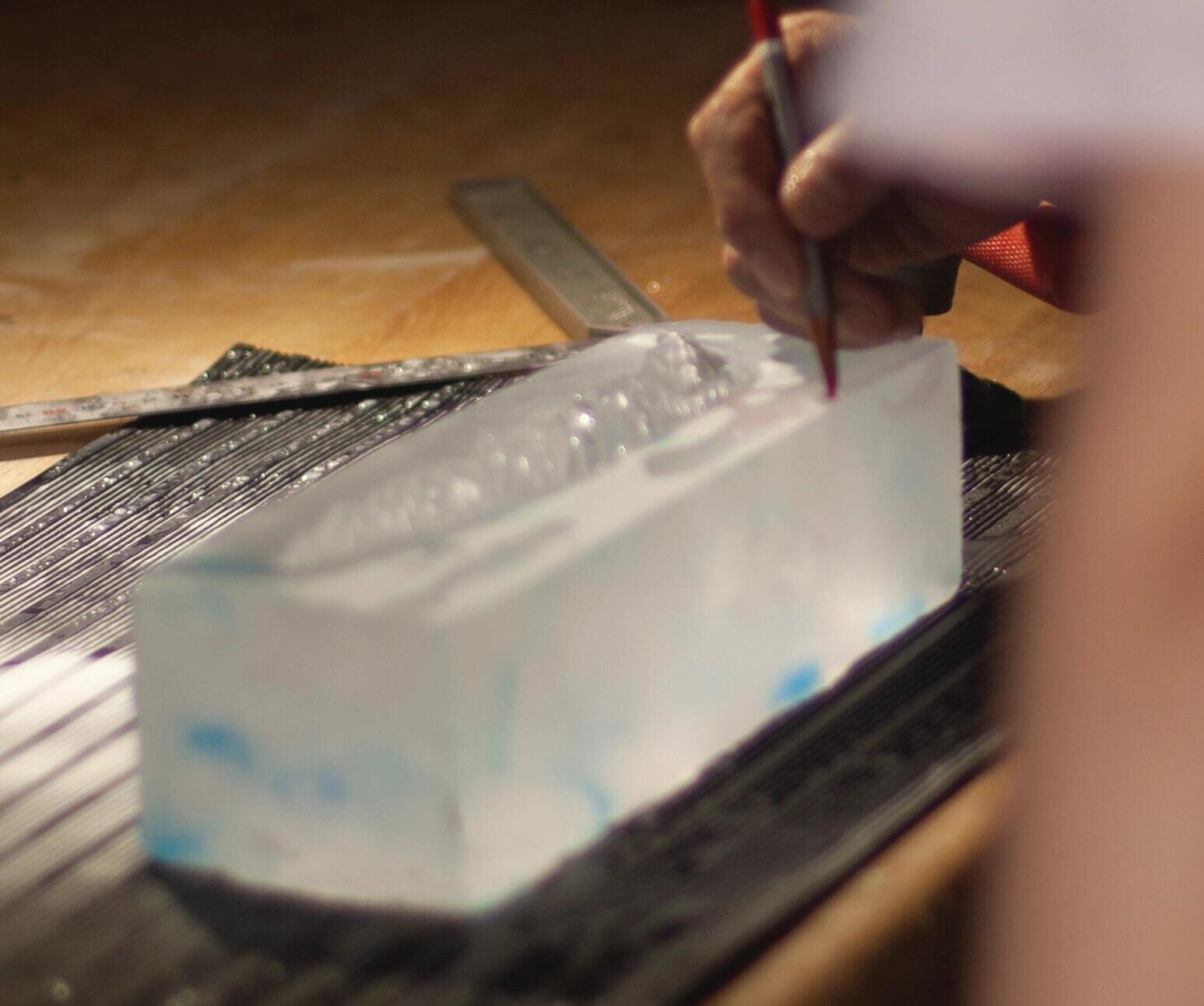
  1. Hole diameter deviation controlled within ±0.5mm.
  2. Edges must be chamfered to prevent cuts.
  3. Holes must be free of chips and cracks.

Step 5 – Surface Treatment

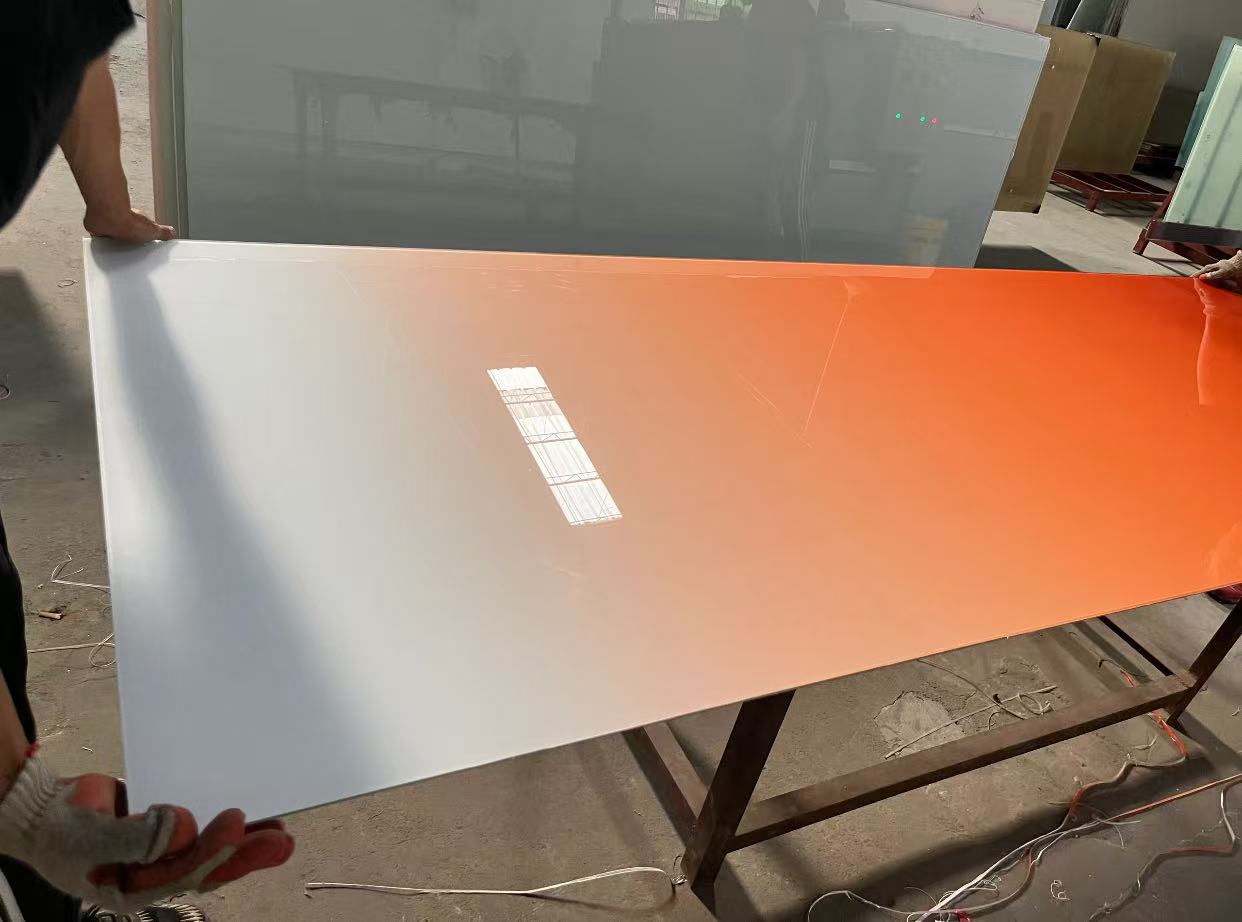
Common surface treatment methods: Sandblasting, brushing, metallic coating, gradient spraying, to achieve different lighting design effects.

Quality Control Points:

  1. Surface color must be uniform, without color patches.
  2. Sandblasting particles must be consistent, with no difference in shade.
  3. Gradient color transitions must be natural, without spray marks.
  4. Metal coatings must pass an adhesion test.